Perinatal stem cells in stroke: how cord blood, umbilical cord, and placenta help the brain recover
Date: November 2026

Date: November 2026
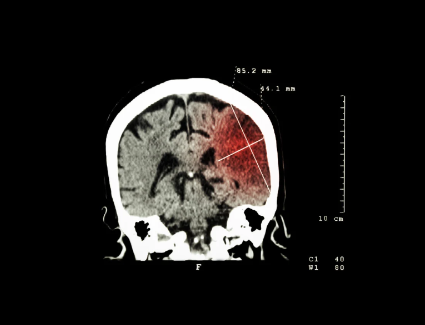
When the acute period passes after an ischemic stroke, the primary task becomes regaining lost functions: speech, movement, coordination, and the ability to perform self-care. However, conventional rehabilitation often hits a “plateau.”
Regenerative medicine offers additional solutions that act directly on the biological cause of the deficit – cell death and neuroinflammation. Yet, patients and their relatives often face confusion: there are many types of stem cells, each with different origins and completely different functions.
Which sources of stem cells are considered the most effective and promising in post-stroke recovery today?
The main myth: how do stem cells actually work, and are they dangerous?
Contrary to depictions in sci-fi movies, injected cells do not replace dead brain areas and do not instantly transform into new gyri.
Their mechanism of action is based on a powerful paracrine effect:
Comparison of main cell types – what science shows:
1.Cord blood (hematopoietic stem cells, growth factors).
Cord blood contains a unique cocktail: hematopoietic stem cells (HSCs), a population of endothelial progenitor cells, mononuclear cells, and a broad spectrum of neurotrophic factors.
Why it is promising: The cells, plasma, and active components of cord blood have a pronounced ability to stimulate the vascular bed and secrete nerve tissue growth factors (BDNF, VEGF). Research from Duke University (USA) and numerous Phase 1/2 clinical trials have shown that cord blood infusions significantly reduce overall inflammation levels in the CNS and enhance endogenous brain recovery.
Feature: They act systemically, clearing tissues of the inflammatory cascade and improving brain perfusion.
2.Mesenchymal stromal cells (MSCs) of the umbilical cord (Wharton’s jelly)
Umbilical cord tissue MSCs are leaders in modern clinical protocols in neurology.
Why it is promising: They are significantly younger and biologically more active than adult cells (from bone marrow or fat). Their main strength is a powerful immunomodulatory effect. They do not cause rejection reactions, do not require compatibility matching, and secrete a maximum concentration of regulatory cytokines.
Feature: Umbilical cord MSCs act directly on brain tissue – they stop toxic inflammation in the stroke area, improve neuronal nutrition, and create an environment in which the brain can relearn lost functions.
Studies:
3.Placental mesenchymal stromal cells
The placenta, especially the chorion and amnion, is a rich source of stromal cells with pronounced pro-angiogenic properties.
Why it is promising: Research into specialized placental populations (e.g., PLX-type cells) focuses on revascularization – restoring the capillary bed in areas of chronic ischemia, which is critical for patients with cerebral vascular pathologies.
Study review:
Human placenta mesenchymal stem cells improve stroke outcomes via extracellular vesicle-mediated preservation of cerebral blood flow4.Adult mesenchymal stromal cells (patient’s bone marrow and adipose tissue) Feature: Well-studied, safe (as they are the patient’s own cells).
Limitations: If the patient is over 60 or has concomitant chronic diseases (diabetes, atherosclerosis), their own stem cells already possess reduced reparative potential and divide more poorly than young perinatal cells. A history of viral infections may also be a contraindication to using autologous material.
Synergy: why the future belongs to combining different types of stem cells?
Current global practice is increasingly moving away from choosing “only one source.” The most encouraging clinical results are demonstrated by combining perinatal materials:
Cord blood cells provide vascular support, an anti-inflammatory background, and baseline neuroprotection via the bloodstream.
Umbilical cord (or placental) MSCs purposefully target the ischemic focus, stimulate the sprouting of nerve endings, and relieve pathological tension in paretic limbs. This approach supplies the brain with resources across multiple levels of recovery.
How stem cells therapy is performed and what the patient experiences?
Therefore, maximum effect is possible only when cell therapy is supported by daily work with a physical therapist, occupational therapist, and speech therapist. The therapy shows the best results within a period from several weeks up to 1 year following a stroke; however, even in the chronic phase, it helps significantly raise an individual’s threshold of independence and ease daily life.
Frequently Asked Questions (FAQ)
Is there a risk that stem cells will transform into a tumor?
No. Cord blood stem cells, as well as umbilical cord and placental mesenchymal stem cells (MSCs), are not embryonic. They are adult, mature stromal cells that do not form teratomas and do not induce oncological processes. They have a limited life cycle in the body, fulfill their biochemical function, and are eliminated naturally. Of course, there are contraindications to their use that a physician must consider.
Is it necessary to take anti-rejection drugs (immunosuppressants)?
No. Umbilical cord and placental cells possess a unique immunological profile: they virtually lack HLA class II markers, which are recognized by the immune system as foreign. Furthermore, MSCs themselves exert a natural immunomodulatory effect, so the recipient’s body does not reject them.
How exactly are the stem cells administered? Is a complex operation required?
No open surgeries or craniotomies are needed. The most common routes of administration are:
When does the first result become noticeable?
The first changes (reduced spasticity, less fatigue, clearer gaze, and improved sleep) are often noted within the first 2–4 weeks due to decreased inflammation. Recovery of active movements, balance, and speech takes from 2 to 6 months, as the formation of new neural connections requires time and regular training.
If more than 2–3 years have passed since the stroke, is therapy still worthwhile?
It is worthwhile, but expectations must be realistic. In the late period, a glial scar forms in place of necrotic cells, so restoring lost functions by 100% is impossible. However, the cells can help improve blood supply to the areas around the scar, reduce pathological spasticity, improve cognitive functions, and make the patient’s daily routine more comfortable.
Can cell therapy replace the work with a rehabilitation specialist?
Under no circumstances. Cell therapy and rehabilitation work strictly in tandem. Stem cells create the biological foundation and stimulate neuroplasticity, while physical exercises, occupational therapy, and speech therapy encode new motor and speech patterns into the brain. Without active sessions, the potential of the cells is only partially realized.
Just fill the application and one of our specialists will contact you by e-mail, phone, or any other convenient way for you. We will be happy to answer all your questions and provide the necessary information.


