Cord Blood Helped a Child Wake from a Coma: Real Treatment Case from Ukraine
Date: February 2026

Date: February 2026
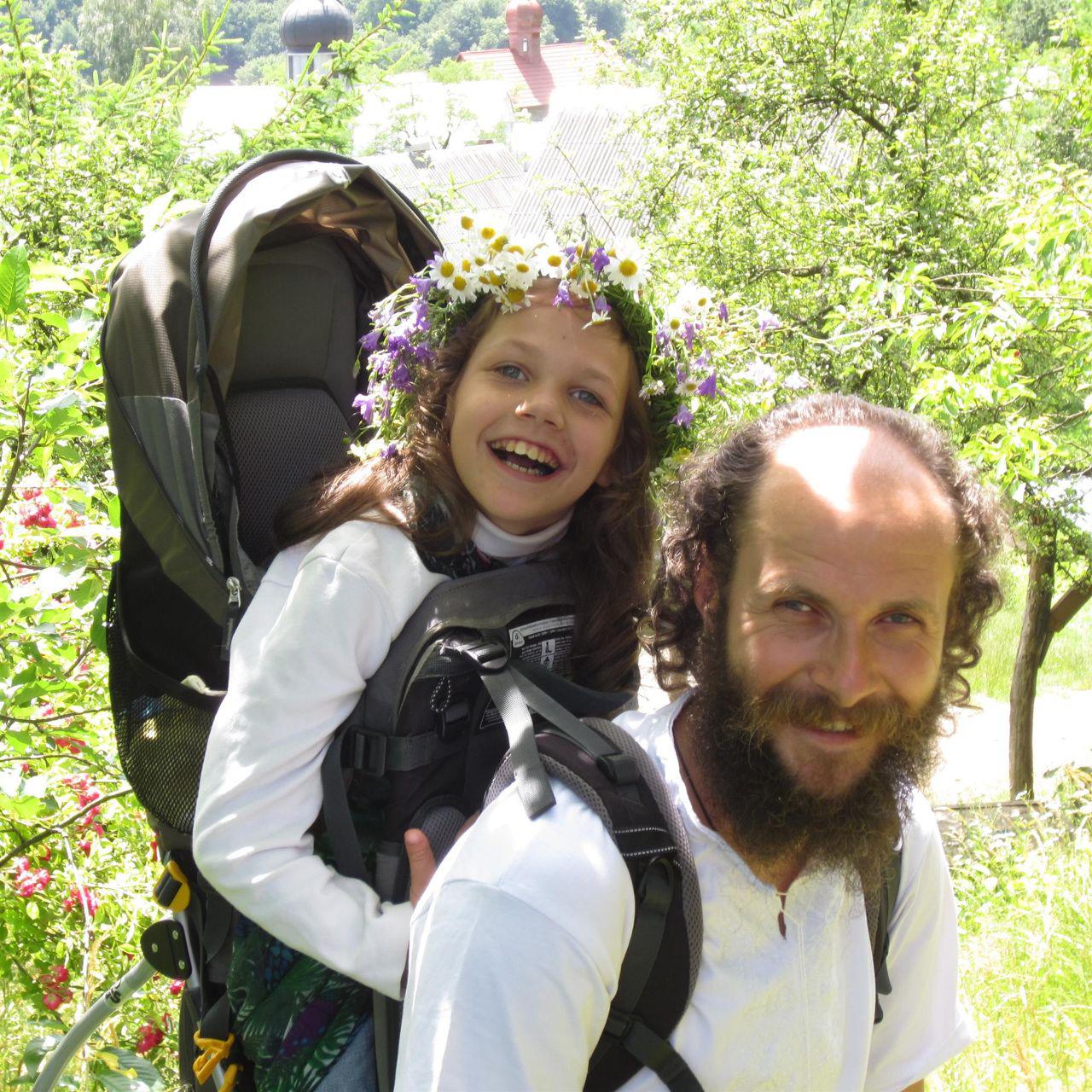
This remarkable story took place in 2009. Little Sofia from the Khmelnytskyi region became the first patient for whom Hemafund collected and applied cord blood for treatment.
In February 2009, at the age of two and a half, the girl suffered a severe accident — she fell through the ice and did not breathe for more than 30 minutes. The consequences were catastrophic: deep coma, mechanical ventilation, persistent seizures, complete absence of responses. A critical condition with almost no positive dynamics despite prolonged therapy.
Diagnosis:
Hypoxic-ischemic injury of the central nervous system — one of the most severe conditions in pediatric neurology. Classical medicine is often powerless here: neurons die, an inflammatory cascade is triggered, seizures occur, and cellular energy depletion develops.
Of course, Sofia’s family searched for different methods and treatments to bring their child back to a full life. Nothing helped.
At that time, Sofia’s mother, Nadiia, was pregnant with her second child. The girl’s grandfather, a physician, suggested that the family consider preserving cord blood as a potential treatment option for Sofia. At first, the family was skeptical, but Sofia’s mother decided to gather information and called Hemafund.
Events unfolded rapidly. The very next day, Nadiia realized labor had begun — her daughter decided to be born prematurely. The Hemafund team acted immediately: a driver delivered the collection kit to the Khmelnytskyi City Perinatal Center on time. The delivery was already in its final stage.
Despite this, the doctor — who had never collected cord blood before — successfully collected the material, fully understanding how important the situation was for the family.
The sample was urgently delivered to Hemafund’s biotechnological complex, where stem cells were separated, fully tested in the laboratory, and cryopreserved. The remaining cord blood plasma after processing was given to the parents.
Remarkably, both girls had the same blood type — O Rh negative.
According to the family, the child showed her first reaction even after the plasma infusion. In September 2009, Sofia received her first administration of cord blood stem cells in Donetsk.
The changes occurred much faster than doctors expected:
seizures completely disappeared;
muscle tone decreased;
first responses to external stimuli appeared;
the body began restoring basic functions.
Two months after the infusion, Sofia was able to swallow independently for the first time — a key indicator of central nervous system function. She gradually emerged from the coma, relearned how to breathe on her own, eat, and later walk.
A year later, in 2010, she received a second administration from the remaining portion of the same cord blood sample.
In the following years, the family worked tirelessly with rehabilitation specialists, speech therapists, and neuropsychologists. However, the fundamental shift was associated with cell therapy, which gave Sofia’s body the chance to initiate recovery.
Some speech and motor difficulties remain, but cognitively Sofia quickly caught up with her peers. She attends school, communicates with friends, develops according to her age, and leads an active social life.
Only a small amount of cord blood was collected, and accordingly, the number of stem cells was limited. Yet the action of stem cells and active factors was sufficient to trigger the child’s own regenerative potential.
Sofia’s young age was an advantage. The high neuroplasticity of a child’s brain triggered the production of neurotrophic factors. The body began to:
create new neural connections;
“rewrite” damaged pathways;
learn to bypass injured areas.
In addition, stem cells:
reduced brain inflammation and decreased seizure activity;
modulated the immune system and reduced autoimmune-driven neuroinflammation;
created a favorable regenerative environment.
New capillary growth, improved tissue metabolism, and activation of “dormant” neural pathways helped Sofia’s own stem cells continue the recovery process.
Cord blood can be an effective component of comprehensive therapy for severe neurological conditions.
It can only be collected once in a lifetime — on the day of a child’s birth. This decision is made by the parents.
Rapid medical coordination and proper logistics are critical to preserving material quality.
Life is unpredictable. Having a personal reserve of stem cells may serve as an additional layer of protection and confidence for the future.
Just fill the application and one of our specialists will contact you by e-mail, phone, or any other convenient way for you. We will be happy to answer all your questions and provide the necessary information.


