Mesenchymal Stromal Cells: How MSCs Work in Cell Therapy
Date: April 2026

Mesenchymal stromal cells (MSCs) are among the most studied cells in modern regenerative medicine. Although MSCs do not yet fully “replace an organ,” they help the body recover, reduce inflammation, and support tissue regeneration.
This article provides a simple explanation of how MSCs work in cell therapy, when they are used, and how they differ from other stem cells.
What are mesenchymal stromal cells
Mesenchymal stem cells (MSCs) are multipotent adult stem cells capable of self-renewal and differentiation into various types of tissues (cartilage, bone, connective tissue). They have strong regenerative and immunomodulatory properties, reducing inflammation and promoting the restoration of damaged tissues.
Important: MSCs primarily work through signaling rather than by replacing cells or genetics in the patient.
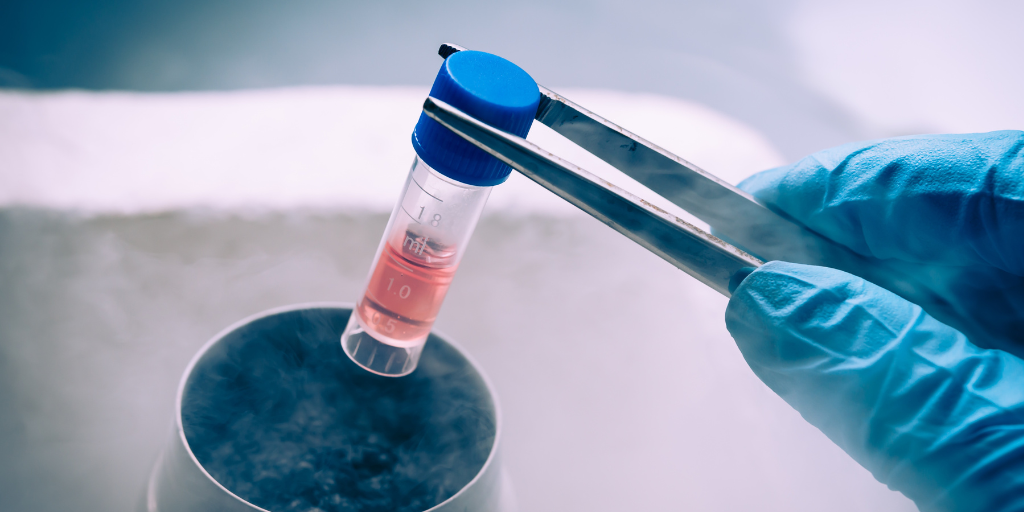
How mesenchymal stromal cells work
MSCs act through several mechanisms simultaneously.
1. Anti-inflammatory effect
MSCs release signaling molecules that reduce chronic inflammation, decrease autoimmune reactions, stabilize the immune response, and reduce cytokine storm.
This is especially important in:
• neurological disorders
• autoimmune diseases
• chronic inflammation
• post-traumatic conditions
2. Stimulation of tissue regeneration
MSCs release growth factors that activate the body’s own stem cells, stimulate angiogenesis (growth of new blood vessels), improve tissue nutrition, and accelerate healing.
MSCs administered from outside do not become new tissues — they initiate the natural process of recovery. That is why they are considered safe stem cells.
3. Immunomodulatory effect
MSCs can “reset” the immune system and reduce excessive immune activity in autoimmune processes.
4. Antifibrotic effect
MSCs help reduce tissue scarring after stroke, injuries, lung damage, and degenerative changes.
This is important for long-term restoration of organ function.
5. Neuroprotective effect
• reduction of neuroinflammation
• stimulation of neuron recovery
• improvement of synaptic plasticity
Sources of mesenchymal stromal cells
MSCs can be obtained from different tissues:
MSCs can be administered intravenously, into joints, parabulbarly (in ophthalmology), intrathecally (into the spinal canal), locally into tissues, or intradermally. They practically do not cause rejection or negative reactions.
That is why MSCs are widely used in regenerative medicine for both adults and children.
Advantages of MSCs obtained from donor umbilical cord or placenta
• the youngest cells
• higher proliferation and activity
• stronger anti-inflammatory and immunomodulatory effect
• suitable for non-related use
• do not contain viruses or effects of adult life
• ready-to-use cells stored in a biobank
Advantages of MSCs obtained from adipose tissue
• immune compatibility
• more cost-effective
• can be stored in a biobank for future use
• advisable for use in orthopedics and cosmetology
It should be understood that the activity and effectiveness of MSCs from adipose tissue directly depend on the patient’s age, health condition, presence of autoimmune diseases, and harmful habits.
Main areas of application of mesenchymal stromal cells
1. Neurology
2. Autoimmune diseases (More)
3. Orthopedics
osteoarthritis, joint injuries, ligament damage, cartilage degeneration
4. Regenerative medicine
chronic wounds and ulcers, tissue and organ damage, fibrosis, post-traumatic conditions
5. Anti-aging and cosmetology
6. Ophthalmology (More)
MSCs are part of comprehensive treatment.
The best results are achieved when combined with rehabilitation, physiotherapy, medication, lifestyle and nutrition changes, etc.
Conclusion
Mesenchymal stromal cells act as a biological regulator of recovery.
They reduce inflammation, stimulate regeneration, and help the body restore damaged tissues.
It is precisely due to these mechanisms that MSCs have become one of the key направления in modern regenerative medicine.
Are mesenchymal stromal cells (MSCs) safe?
To ensure the safety of cell therapy, it is important to consider the experience of the physician and the clinic, MSC dosing protocols, the source of the cells, as well as the laboratory that manufactures the cell-based products.
What is the best source of MSCs for treatment?
Umbilical cord and placenta — due to the “youth” of the cells and their high biological activity. In addition, this is material that is already stored in a biobank and does not require additional medical procedures for collection. This provides greater comfort and safety for the patient.
Can MSCs completely replace treatment?
No. They are usually part of comprehensive therapy, including in anti-aging programs.
Sources:
Just fill the application and one of our specialists will contact you by e-mail, phone, or any other convenient way for you. We will be happy to answer all your questions and provide the necessary information.


