Regenerative Medicine in Multiple Sclerosis: Can Stem Cells Truly Change the Course of the Disease?
Date: July 2026

Date: July 2026
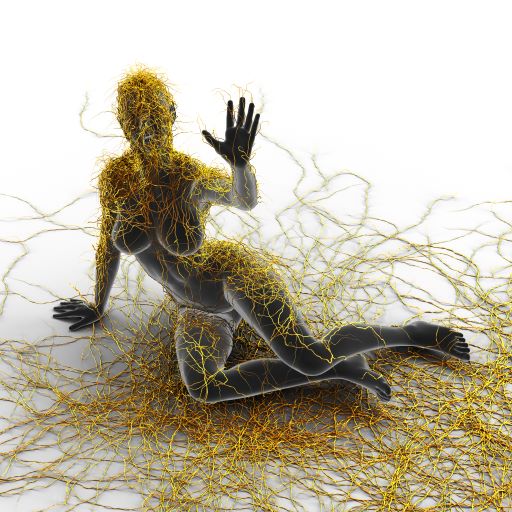
Why is Multiple Sclerosis (MS) so difficult to treat?
Multiple Sclerosis (MS) remains one of the most complex autoimmune diseases of the nervous system, which quickly leads to disability and death if left untreated. MS causes persistent neuroinflammation in the body, oligodendrocyte death, axonal degeneration, and progressive brain atrophy.
For a long time, a single approach dominated the treatment of multiple sclerosis (MS) – stopping the immune system from destroying myelin (the protective sheath of nerve fibers). However, traditional highly active therapy is not always able to influence autoimmune processes and cannot restore what has been lost. It cannot repair already damaged areas of the brain, causing patients with progressive forms of the disease to continue losing their ability to work.
This is why in recent years, interest in stem cells, especially those derived from umbilical cord blood, umbilical cord tissue, placenta, and adipose tissue, has significantly increased. Their advantage lies in their ability to influence the immune system, suppress inflammation, stimulate natural tissue repair processes, and create a favorable environment for remyelination.
Why do stem cells work in multiple sclerosis?
Contrary to a popular myth, administered stem cells do not transform directly into new neurons. Their action is much more subtle and effective. They work as an “intelligent biofactory”:
Analysis of cell sources and successful clinical studies
Modern regenerative medicine uses several sources of cellular material. Each has its own biological characteristics, advantages, and a proven clinical base.
Naturally, the most valuable are stem cells derived from umbilical cord blood, umbilical cord tissue, and placenta. These cells are not only the most active but also the safest. They have not encountered most viruses, the consequences of “adult” life, or age-related mutations.
Another popular category is mesenchymal stromal cells (MSCs) obtained from the patient’s own fat or bone marrow, or from a healthy, young relative.
Umbilical Cord MSCs (UC-MSCs) – The most popular stem cells for multiple sclerosis treatment
These cells are isolated from umbilical cord tissue (specifically, from the so-called Wharton’s Jelly). Since this material is collected immediately after the birth of a healthy child, the cells are biologically the youngest, most active, and safest.
Why these stem cells work: They have colossal division potential and the strongest immunomodulatory effect. They do not cause rejection by the recipient’s body, which allows them to be used for any patient without genetic matching.
Studies:
Placental MSCs (PLMSCs) – Energetic immune modulators
The placenta is another rich and ethically clean source of mesenchymal stromal cells. The action of placental MSCs is similar to that of umbilical cord MSCs and can serve as an alternative to cells derived from the umbilical cord.
Why they work: Placental MSCs express a high number of markers (for example, CD106 and PD-L1/2) that effectively block the proliferation of aggressive T-lymphocytes and stimulate tissue healing.
Studies:
One of the most interesting works of 2025 was a pilot clinical study using placental MSCs in patients with secondary-progressive multiple sclerosis. The main results:
Although the study included only five patients, it became an important step in researching placental MSCs specifically for progressive forms of MS (read the study).
A safety study of an American product based on placental cells (PDA-001) also confirmed good tolerability and stabilization of neurological status in patients with active forms of MS (link to PubMed).
Adipose-Derived MSCs (AD-MSCs) – The patient’s own resources
These cells are isolated from the patient’s own subcutaneous adipose tissue using a safe mini-liposuction procedure.
Studies:
A phase I/IIa clinical trial confirmed the safety and first signs of efficacy of using fresh autologous adipose-derived MSCs in patients with secondary-progressive MS (read more on PMC).
Umbilical Cord Blood (UCB) – Systemic resetting
Umbilical cord blood contains a unique cocktail of hematopoietic (blood-forming) cells, young immune cells, mesenchymal stromal cells, and regulatory factors.
How cord blood works: It helps reset the immune balance, reducing systemic neuroinflammation and creating a favorable background for the restoration of damaged nerves. It enhances the action of mesenchymal stromal cells (MSCs) in combined protocols.
What treatment for multiple sclerosis is available at QR-CLINIC?
Thanks to the capabilities of the “Hemafund” biotechnology complex, QR-CLINIC is able to apply modern clinical therapy protocols using various types of stem cells.
Most often, we use combined or sequential therapy using mesenchymal stromal cells (MSCs) from the umbilical cord or placenta, enriched with cord blood cells or exosomes. For some patients, it is possible to use their own stem cells from adipose tissue or bone marrow.
After a detailed study of the patient’s medical history and an assessment of their current condition, the doctor selects an individual treatment protocol. Stem cells are introduced into the bloodstream; additional administration intramuscularly or intrathecally (into the spinal canal) is also possible. Our patient’s story
Conclusions for patients and physicians
Regenerative stem cell therapy is turning a page in the history of multiple sclerosis treatment. Clinical studies confirm that the use of umbilical cord, placental, and adipose MSCs is safe and capable of halting the relentless progression of the disease, improving patients’ quality of life, and restoring lost neurological functions.
Today, medicine is moving toward a combined approach. The most promising method is a combination of classic immunosuppressive therapy (to quickly extinguish acute relapses) and a subsequent course of cell therapy (to trigger direct myelin regeneration and protect the brain).
For patients of our clinic, this is a chance not just to slow down the disease, but to give their nervous system the biological resource to recover and live an active life.
Would you like to find out which cell therapy protocol is right for your specific case? Sign up for an online consultation with a QR-CLINIC neurologist. We will analyze your medical history in detail and create a personalized regenerative treatment plan.
Can multiple sclerosis be completely cured with stem cells?
Currently, in global medical practice, multiple sclerosis (MS) is considered a chronic disease that cannot be completely cured once and for all. However, clinical studies and the experience of QR-CLINIC patients show that significant results can be achieved in stabilizing the condition:
How safe is stem cell treatment? Is there a risk of developing oncology?
We use the safest and most effective stem cells that have undergone minimal laboratory manipulation — cord blood cells, and MSCs from the umbilical cord, placenta, and the patient’s own fat. Our specialists thoroughly assess the condition of each patient, possible risks, and individual contraindications to cell therapy.
Our close collaboration with the high-tech biotechnology complex ‘Hemafund’ ensures that all cellular products undergo multi-stage laboratory control for purity, viability, and sterility.
How exactly are stem cells administered in multiple sclerosis?
The method of administration is determined by the physician depending on the type of stem cells, as well as on the MRI scan and symptoms:
How quickly are the results visible, and how long does the effect last?
Patients often notice the first improvements (reduced fatigue, improved psycho-emotional state, increased sensitivity) within the first weeks after cell administration due to their powerful anti-inflammatory effect.
The processes of myelin sheath restoration (remyelination) are more gradual and take from 3 to 6 months. The results of the therapy are dynamically evaluated by the doctor using follow-up MRIs and EDSS scale assessments. The achieved stabilization effect can last from one to several years, after which, if necessary, the course of cell therapy can be repeated.
Just fill the application and one of our specialists will contact you by e-mail, phone, or any other convenient way for you. We will be happy to answer all your questions and provide the necessary information.


