Patient: female, 65 y o.
Diabetes mellitus, type 2, diabetic polyneuropathy, trigeminal neuralgia.
Date: October 2021

Patient: female, 65 y o.
Date: October 2021
Patient Profile and Chief Complaints
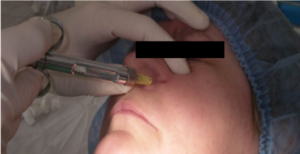
Fig.1. Trigeminal nerve (second branch) peripheral block with allogenic umbilical cord derived stem cells.
Initial Assessment and Neurological Status
Prior to initiating cell therapy, the patient underwent a comprehensive baseline evaluation to establish clinical benchmarks:
Treatment Protocol: Regenerative Cell Therapy (QR Clinic)
Following a multidisciplinary medical board review, umbilical cord-derived mesenchymal stem cells (UC-MSCs) were prescribed as an adjunctive treatment. The clinical protocol combined two delivery routes:
Systemic Therapy: Intravenous (IV) infusion of allogeneic umbilical cord-derived mesenchymal stem cells (MSCs). This was aimed at inducing a systemic anti-inflammatory response, improving microcirculation, and promoting the regeneration of pancreatic beta-cells to address type 2 diabetes.
Local Therapy: A peripheral nerve block of the second division (V2) of the trigeminal nerve, combined with the local administration of allogeneic umbilical cord-derived stem cells. This targeted direct myelin sheath repair, the alleviation of localized neuroinflammation, and rapid pain relief.
Treatment Outcomes and Clinical Course (4-Month Follow-Up)
At the 4-month follow-up assessment, the patient exhibited significant clinical improvement across all key parameters:
Ongoing Recommendations and Long-Term Monitoring
The patient received personalized lifestyle guidance and supportive therapy recommendations. To track the long-term efficacy and durability of this regenerative treatment, the protocol dictates mandatory follow-up evaluations at 6 and 12 months post-procedure.
Frequently Asked Questions: Stem Cell Therapy for Type 2 Diabetes
Can stem cell therapy completely cure type 2 diabetes?
Currently, regenerative medicine does not offer a permanent, absolute cure for type 2 diabetes. However, clinical studies demonstrate that the administration of mesenchymal stem cells (MSCs) can induce long-term clinical and laboratory remission. This is characterized by a sustained reduction in glycated hemoglobin (HbA1c) levels, a decreased reliance on oral hypoglycemic agents or insulin, and a halt in the progression of diabetic complications, such as neuropathy or retinopathy.
How exactly do stem cells help manage type 2 diabetes?
In type 2 diabetes, stem cells exert their therapeutic effects through three primary mechanisms:
Which types of stem cells are considered the safest and most effective?
Under international clinical guidelines, the gold standard for therapeutic efficacy and safety is umbilical cord-derived mesenchymal stem cells (UC-MSCs), alongside adipose- or bone marrow-derived MSCs. Umbilical cord tissue cells possess the highest proliferative and regenerative potential. Crucially, they are immunoprivileged, meaning they do not trigger an immune response or host rejection, making the procedure exceptionally safe.
Clinical Research and Key Studies
Just fill the application and one of our specialists will contact you by e-mail, phone, or any other convenient way for you. We will be happy to answer all your questions and provide the necessary information.


