Patient: female, 2,8 y.o.
Umbilical Cord Blood Stem Cells for HIE Treatment: Sofia’s Case Study
Date: December 2021

Patient: female, 2,8 y.o.
Date: December 2021
Key Case Details:
Patient History: Tragically Severe and Critical Condition
In 2009, 3-year-old Sofia from the Khmelnytskyi region fell through the ice in a tragic accident. The child was in a state of clinical death (without respiration) for over 30 minutes.
Following prolonged resuscitation and being placed on mechanical ventilation (ventilator support), the girl emerged from the coma; however, her condition remained extremely critical. Traditional drug therapy during her six-month stay in the intensive care unit (ICU) yielded no improvement.
Clinical Presentation Prior to Stem Cell Therapy:
Treatment Protocol and Recovery Stages
The treatment was comprehensive, combining advanced stem cell therapy with intensive physical therapy.
Timeline of Therapy:
Long-term Outcome (17-year Follow-up)
Today, Sofia is a 19-year-old young woman living and studying in the UK, where she is preparing to enter college. Although she still experiences certain neurological and motor effects from the past injury, she walks independently, speaks clearly, and is successfully integrating into mainstream life.
Her critical neurological condition, which was previously deemed incurable and non-responsive to standard therapy, has been drastically improved due to the regenerative potential of umbilical cord blood stem cells.
Read Sofia’s Full StoryFrequently Asked Questions about Stem Cell Therapy for Brain Injuries
Yes. Allogeneic transplantation using cord blood from a biological brother or sister has a high probability of immunological compatibility and is successfully used in regenerative therapy for neurological disorders.
Stem cells migrate to the injured areas of the brain, releasing neurotrophic factors, reducing chronic inflammation, stimulating angiogenesis, and promoting neuroplasticity to repair damaged tissues.
If you do not have a privately stored deposit of stem cells, please contact us for a consultation. After assessing the patient’s condition and individual parameters, our specialists will be able to select the optimal treatment protocol using donor stem cells.
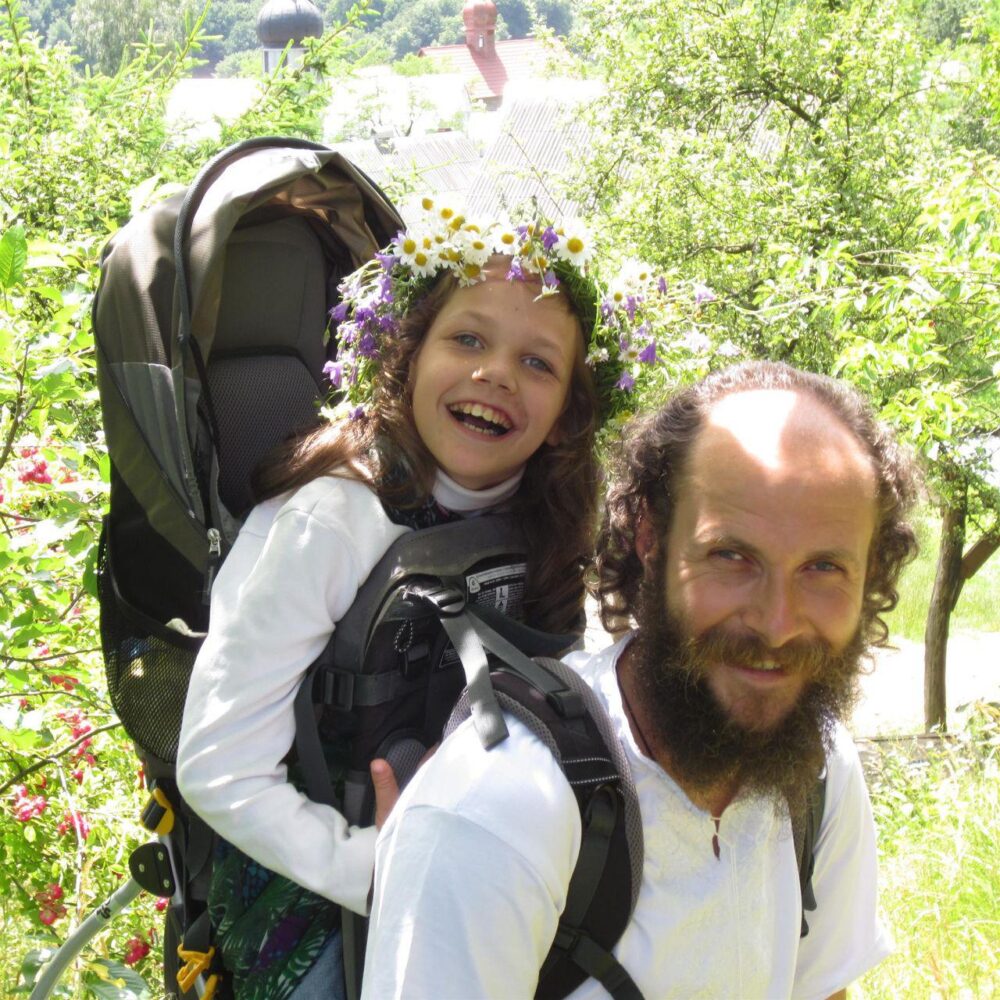
Stem cells for the treatment of CNS in children


Just fill the application and one of our specialists will contact you by e-mail, phone, or any other convenient way for you. We will be happy to answer all your questions and provide the necessary information.

